Eye Trauma
Dr. Taylan Öztürk
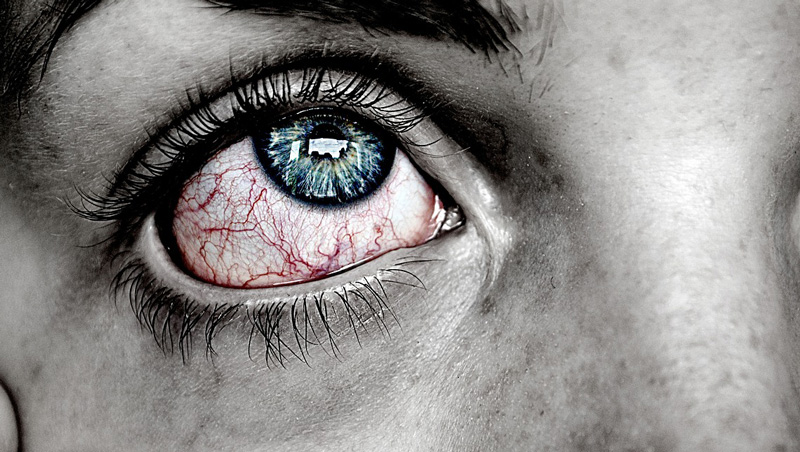
Eye Trauma
Eye Trauma: A Major Threat to Your Vision Health
Eye trauma is an injury to the eye caused by contact with an external force or object. These traumas can damage the internal structure of the eyes, the cornea, retina or other eye structures. They can range from a simple scratch to complex damage that can lead to serious vision loss.
These conditions may require immediate intervention and can lead to permanent vision loss. A thorough knowledge of the causes, symptoms, diagnostic methods and treatment options for eye trauma is critical for effective intervention.
Eye trauma can affect people of all ages and walks of life.
Causes of Eye Trauma
Eye trauma can be caused by many different reasons:
- Sports injuries: Especially in sports such as ball games and boxing, the risk of eye trauma is higher.
- Work accidents: The risk of eye trauma is higher in people working in dangerous jobs such as construction and metalworking.
- Traffic accidents: Eye trauma is common in vehicle accidents such as car and motorcycle accidents.
- Home accidents: Substances such as cutting tools and chemicals used at home can cause eye trauma.
- Firearm Injuries: Injuries to the eye caused by firearms.
- Foreign objects getting into the eye: Foreign objects such as dust, sand and insects can get into the eye and cause scratches or more serious damage to the cornea.
Types of Eye Trauma
Eye trauma varies according to the severity and location of the injury. They are generally divided into two types:
- Closed eye trauma: The outer surface of the eye is intact, but internal tissues are damaged.
- Open eye trauma: A tear or hole in the eyeball.
Symptoms of Eye Trauma
Early Symptoms
Early signs of eye trauma can indicate the severity of the injury:
- Pain: Sudden and severe pain in the eye.
- Redness and Swelling: Redness and swelling around the eye.
- Blurred Vision: Sudden changes in visual acuity or blurred vision.
Progressive Symptoms
Symptoms become more pronounced as the eye trauma progresses:
- Double Vision: Overlapping images or double vision.
- Bleeding Eyelid: Bruising or bleeding in the eyelid.
- Bleeding in the Eye: Bleeding in the eye or red spots on the white part.
- Vision Loss and Blindness.
- Eye Loss and Serious Aesthetic Problems.
Diagnosis of Eye Trauma
Eye Examination
It is very important to consult an ophthalmologist to diagnose eye trauma. The doctor will examine your eye in detail and perform the necessary tests. These tests include;
- Eye tests: Evaluation of visual acuity and eye movements.
- Eye Pressure Measurement: Measurement of intraocular pressure.
- External Examination: Examination of external damage, injury or abnormalities in the eye.
Imaging Tests
Various imaging tests can be performed to determine the extent and extent of eye trauma:
- Eye Ultrasound: A test used to evaluate structures within the eye.
- CT (Computed Tomography) Scan: Used to examine the bone structures in and around the eye.
- MRI (Magnetic Resonance Imaging): Although it is superior in evaluating soft tissues, it should not be applied if there is a possibility of a metallic foreign body in the eye.
- OCT (Optical Coherence Tomography): Provides detailed information about the retina and structures within the eye.
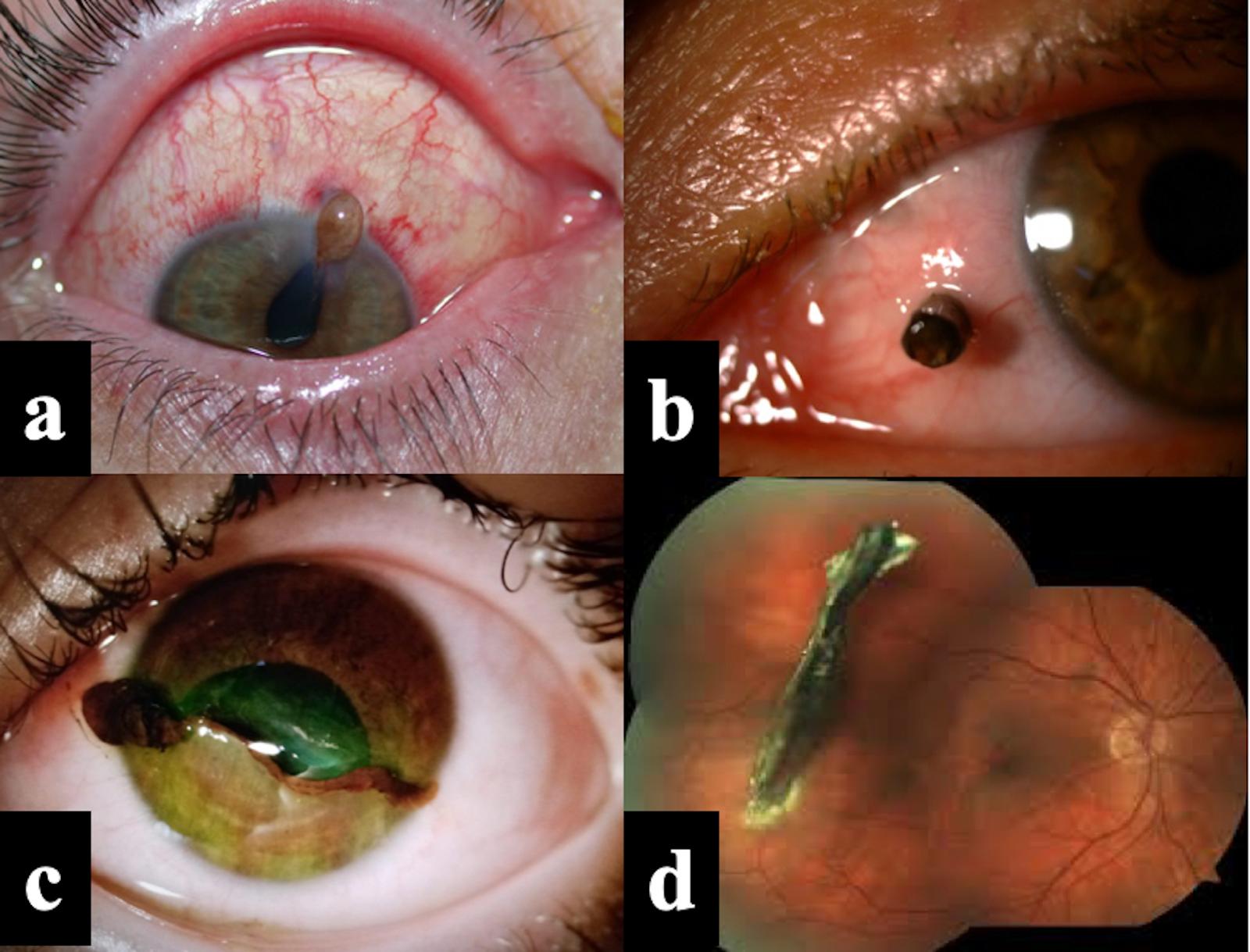
Treatment Methods of Eye Trauma
First Aid and Emergency Response
In case of eye trauma, fast and effective first aid applications are important:
- Contact with Chemical Substances: Flush eyes with plenty of water and seek medical attention immediately.
- Foreign Objects: Gently use a clean cloth to remove the object from the eye.
- Physical Impacts: Apply a cold compress to the eye area and seek emergency medical attention.
Medication and Treatment
Medication and other treatment methods can be used to treat eye trauma:
- Painkillers: Prescription or over-the-counter painkillers to reduce eye pain.
- Antibiotics: Eye drops or medicines to reduce the risk of infection.
- Steroids: It can be used to reduce swelling and inflammation.
Surgical Intervention
Some eye traumas may require surgical intervention:
Eye Injuries: Surgical procedures to repair damage inside the eye.
Cataract Surgery: Traumatic cataract surgery may require additional surgical procedures for visual recovery.
Retinal Surgery: Surgical interventions performed in serious conditions such as retinal detachment.
Corneal Surgery: Correction of injuries to the cornea.
Endophthalmitis Surgeries: Major surgeries involving the anterior and posterior segments performed in the presence of intraocular infection.
Repair of fractures in the bones around the eye and eye collapses.
Long Term Consequences of Eye Trauma
If left untreated or treated late, eye trauma can lead to serious problems such as vision loss, eye pressure, cataracts and glaucoma. Eye trauma can also have a negative psychological impact.
Ways to Prevent Eye Trauma
You can take the following precautions to protect yourself from eye trauma:
- Use eye protection: It is important to wear eye protection when playing sports, working in hazardous jobs or in environments where there is a risk of foreign objects splashing into your eyes.
- Obeying traffic rules: The risk of eye trauma is high in traffic accidents. It is therefore important to obey traffic rules and wear your seat belt.
- Safety at home: It is important to use sharp instruments carefully at home and keep them out of the reach of children.
- Regular eye examinations: With regular eye examinations, you can keep your eye health under control and detect possible problems early.
Treatment Process
Treatment of eye trauma may vary depending on the type and severity of the injury:
- Medication and First Aid: Usually requires a short-term course of treatment and recovery can be seen within a few days.
- Surgical Intervention: The surgical procedure usually takes 1-3 hours and recovery can take several weeks. Regular eye check-ups may be required after surgery.
Important Note: Eye trauma is an emergency. It is important to consult an ophthalmologist immediately if you experience any trauma to your eye.
Price Information
The cost of eye trauma treatment varies depending on the severity of the injury, the method of treatment and the location of the hospital. The duration of treatment can also vary from a few days to several months, depending on the severity of the injury.
How can we help you with eye trauma?
If you think you have suffered an eye trauma or are concerned about your eye health, do not hesitate to contact our team of experts. Book an appointment today to learn more about eye trauma treatment and find the best solution for you. We are here to protect your eye health and ensure a successful treatment process.
We Care About Your Eye Health! Contact us now to get detailed information about eye trauma treatment and get professional support. Contact us for a healthy eye and clear vision!