Epiretinal Membrane and Treatment
Dr. Taylan Öztürk
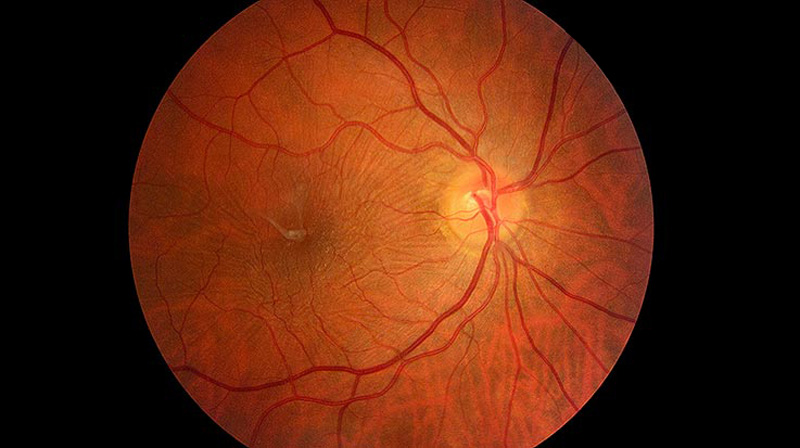
Epiretinal Membrane Symptoms and Treatment
What is the Epiretinal Membrane (ERM)?
The epiretinal membrane (ERM) is a thin layer of membrane that forms on top of the retina. The retina is located at the back of the eye and plays a critical role in transmitting visual information to the brain. When the epiretinal membrane forms, a kind of membrane or weave forms over the retina, which can cause blurred vision and other vision problems.
In this article, we will discuss what an epiretinal membrane is, its symptoms, causes, treatment methods, surgery prices and duration. Read this information carefully to protect your eye health and understand treatment options.
Causes of Epiretinal Membrane
Epiretinal membrane can have various causes:
Aging: The risk of membrane formation on the retina increases with age.
Eye Injuries: Severe eye injuries can cause epiretinal membrane formation.
Eye Diseases: Diabetes or retinal vascular diseases can increase the risk of epiretinal membranes.
Eye Surgeries: Previous eye surgery or retinal problems can trigger epiretinal membrane formation.
Early Symptoms
Early signs of an epiretinal membrane can often be manifested by changes in your eyes:
Blurred vision: You may experience blurred vision.
Loss of the Center of Vision: There may be a loss of the center of vision, which can cause your central vision to decrease.
Distorted vision: Even straight lines may appear distorted.
Progressive Symptoms
As the symptoms progress, more significant vision problems may occur:
Blind Spots: Blind spots may appear in the visual field.
Vision Loss: Vision loss can become more pronounced and affect daily activities.
Diagnosis of Epiretinal Membrane
Eye Examination
Diagnosis of the epiretinal membrane is usually done through a comprehensive eye examination. It can be diagnosed with the following methods:
Eye pressure measurement: Intraocular pressure is measured.
Retinal Examination: The retina and epiretinal membrane are examined in detail.
OCT (Optical Coherence Tomography): Cross-sectional images of the retina and epiretinal membrane are taken.
OCTA (Optical Coherence Tomography Angiography): It takes cross-sectional angiographic views of the retinal layers.
Imaging Tests
Various imaging tests may be ordered to determine the size and extent of the epiretinal membrane:
Color Fundus Photography: Photographs of the retinal layer are taken.
Fluorescein Angiography: Detailed images of the retinal vessels are obtained.

Epiretinal Membrane Treatment Methods
Surgical Intervention
Surgical intervention is usually necessary in the treatment of epiretinal membrane. Some of the surgical methods include:
Vitrectomy
Vitrectomy involves removing the vitreous fluid inside the eye and cleaning the epiretinal membrane. This method can help reduce the effects of the epiretinal membrane on the retina and improve the quality of vision.
Removal of Vitreous Fluid: The fluid inside the eye is removed.
Removal of the Membrane: The epiretinal membrane is visualized in detail with special dyes and carefully cleaned and the retinal layer is reorganized.
Fixation of the macula: The retina and macula (yellow spot) are tamponized with air or special gases.
Drug Treatment
Supportive medication can often be used before or after surgery to treat epiretinal membranes. Medications can reduce inflammation and support the healing process.
Epiretinal Membrane Surgery: Price and Terms
Surgery Prices
The cost of epiretinal membrane surgery can vary depending on the techniques used and the patient’s condition. In general, the cost of epiretinal membrane surgery is determined by the following factors:
- Surgical Method: Methods such as vitrectomy or membrane automation can affect prices.
- Hospital and Doctor Fees: The fees of the hospital and doctor performing the surgery can affect the total cost.
- Medication and Care: Postoperative medication and care costs may also be included in the price.
You can contact us for detailed price information.
Duration of Surgery
Epiretinal membrane surgery can usually take 20 minutes to 1 hour. The duration of surgery may vary depending on the surgical method used and the patient’s condition. Postoperative recovery usually takes several weeks and requires regular eye check-ups.
How Can We Help You Treat Epiretinal Membrane?
If you are experiencing symptoms of epiretinal membrane or are concerned about your eye health, do not hesitate to contact our team of experts. Schedule an appointment today to learn more about epiretinal membrane treatment and find the best solution for you. We are here to protect your eye health and ensure a successful treatment process.
We Care About Your Eye Health! Contact us immediately to get detailed information about epiretinal membrane treatment and to get professional support. Contact us for a healthy eye and clear vision!