What is Uveitis? Uveitis Symptoms and Treatment
Dr. Taylan Öztürk
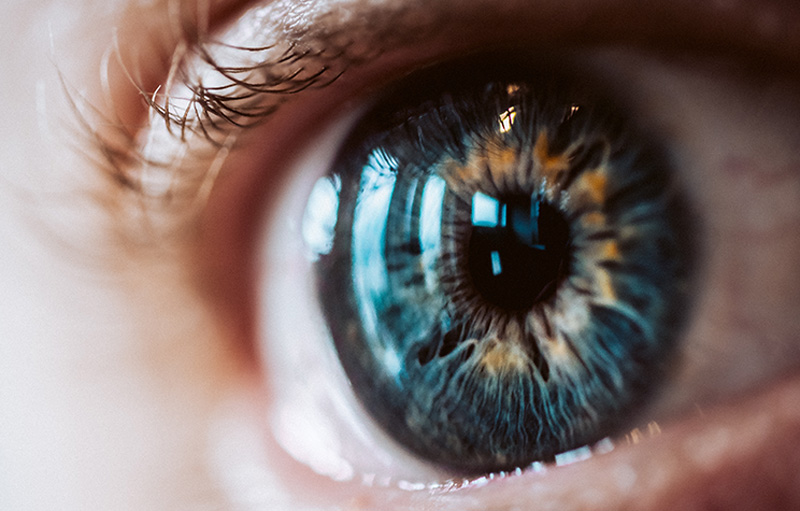
What is Uveitis? Uveitis Symptoms and Treatment
What is Uveitis?
Uveitis is inflammation of the colored part of the eye (iris), the ciliary body (the muscle that supports the lens of the eye) and the middle layer of the eye called the choroid. This inflammation can cause symptoms such as redness, pain, blurred vision and discomfort from light. Uveitis is not a disease in itself, but can be a symptom of many different diseases.
Causes of Uveitis
While the exact cause of uveitis is not always fully understood, some factors may increase its risk:
- Autoimmune diseases: Such as rheumatoid arthritis, lupus, inflammatory bowel diseases
Infections Bacterial, viral or fungal infections
Trauma Eye injuries
- Some medicines: Such as corticosteroids
- Tumors: Tumors in or around the eye
Types of Uveitis
Uveitis can be of different types depending on where the inflammation is located:
- Anterior Uveitis (Irisitis): Inflammation of the iris and anterior focal layer.
- Intermediate Uveitis (Ciliary Body Inflammation): Inflammation of the layers between the ciliary body and the retina.
- Posterior Uveitis (Retinitis): Inflammation of the retina and the back of the eye.
Panuveitis (Panuveitis): Inflammation of the entire area of the uvea.
Symptoms of Uveitis
Early Symptoms
Early symptoms of uveitis can often be mild, but over time can lead to serious problems:
- Eye pain: Pain or discomfort in the eyes.
- Blurred Vision: Blurred vision or loss of clarity.
- Light Sensitivity: Increased sensitivity to light or burning sensation in the eyes.
Progressive Symptoms
Symptoms become more pronounced as uveitis progresses:
- Redness: Significant redness and inflammation of the eyes.
- Swelling of the Eyes: Swelling and discomfort around the iris and eye area.
- Vision Loss: Risk of permanent vision loss or blindness in severe cases.

Diagnosis of Uveitis
Eye Examination
Uveitis is diagnosed through a comprehensive eye examination. The following methods are used in the diagnostic process:
- Eye Pressure Measurement: Measurement of intraocular pressure.
- Eye Scan: Detailed examination of the retina and uvea.
- Anterior Uveitis Examination: Examination of the iris and anterior focal layer.
Imaging Tests
OCT (Optical Coherence Tomography): Cross-sectional images of the retina and uvea are taken.
OCTA (Optical Coherence Tomography Angiography): It takes cross-sectional angiographic views of the retinal layers.
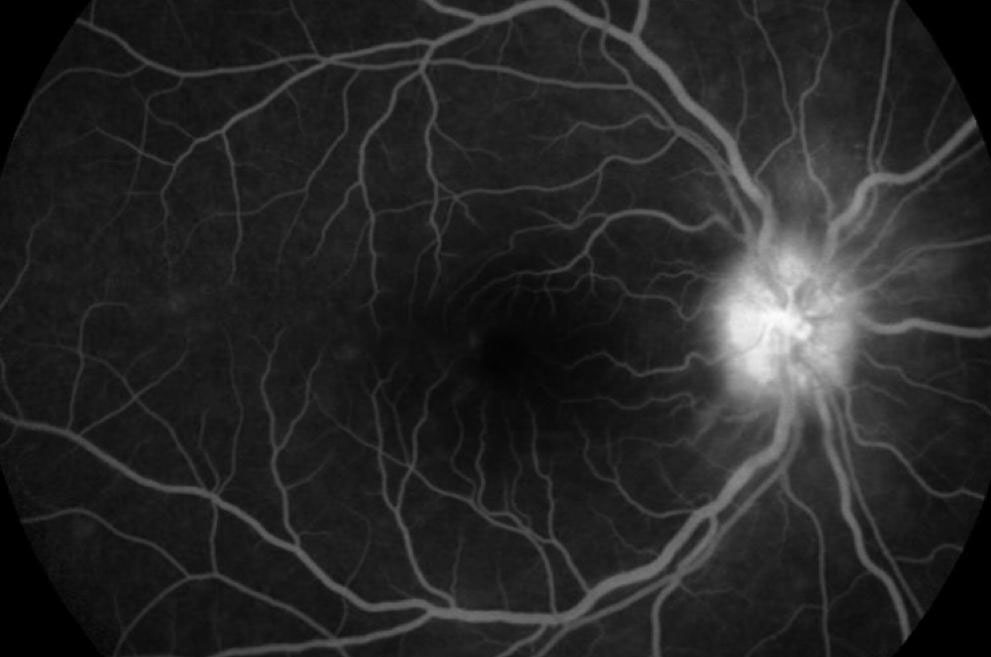
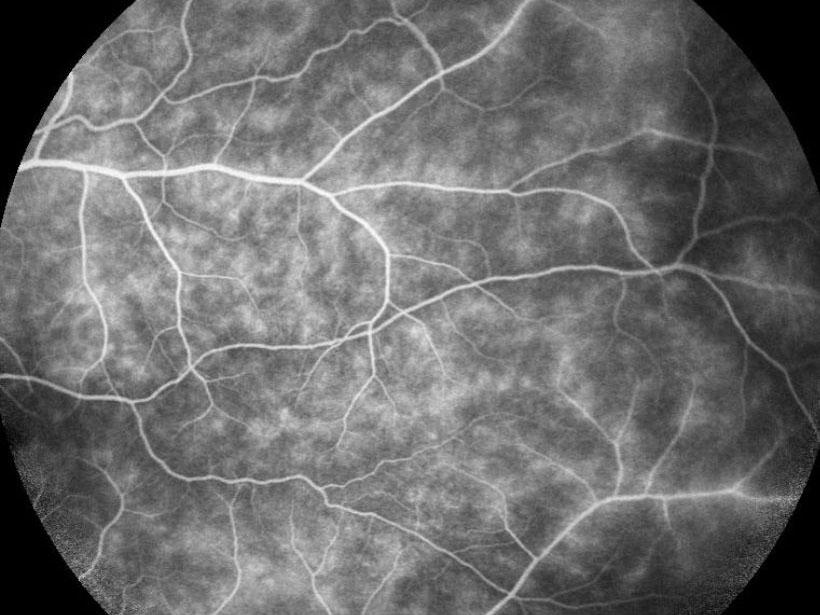
Color Fundus Photography: Photographs of the retina and the inside of the eye are taken.
Ultrasound: In cases where the posterior segment cannot be evaluated well due to intense inflammation or advanced cataract, vitreous involvement is examined with ocular ultrasound.
Treatment Methods of Uveitis
Medication Therapy
Medicines are usually used to treat uveitis. These medicines control inflammation and relieve symptoms.
Types of Medicines:
- Corticosteroids: Reduce inflammation and relieve pain in the eye.
- Immunosuppressive Medicines: Suppresses an overreaction of the immune system.
- Antibiotics: It is used in uveitis due to infections.
Intraocular cortisone implant applications
Intraocular cortisone implants are used to suppress intense inflammation in the eye. However, it must be confirmed that the uveitis is not caused by an infectious cause. These applications provide patients with a significant improvement in vision. However, complete recovery can be achieved by finding the cause of the disease and treating the underlying disease.
Laser Treatment
Some types of uveitis may require laser treatment. This treatment can help heal inflammation and damage to the eye.
Laser Methods:
- Argon Laser: It targets and treats inflamed areas inside the eye.
Surgical Intervention
Surgical intervention may be necessary in advanced cases of uveitis. Surgical methods are used to control the inflammation inside the eye.
Surgical Methods:
- Cataract surgery: Timing is very important in uveitic cataract surgery. While the fact that the patient’s immune system is suppressed during the surgical period affects the visual results, any intraocular intervention in case of active intense uveitis may result in loss of the eye.
- Vitrectomy: Removal of inflamed tissue from the inside of the eye.
- Silicone Injection: Balancing the fluid inside the eye and controlling inflammation.
- Glaucoma surgery: In some cases of prolonged disease, it can be applied to reduce intraocular pressure.
What is a macular hole and its relation with uveitis
A macular hole is a small tear in the yellow spot (macula) in the center of the eye. Uveitis can damage the vessels in this area, increasing the risk of macular hole.
Click for detailed information about macular hole. https://drtaylanozturk.com/makula-deligi-ve-tedavisi/
Things to Consider in Uveitis Treatment
Regular check-ups: During the treatment process, it is important not to interrupt the controls recommended by the ophthalmologist.
Compliance with medication: Regular use of medication prescribed by the doctor increases the success of treatment.
Attention to eye health: It is necessary to take measures to prevent eye strain, such as using sunglasses.
Uveitis and Quality of Life
If left untreated, uveitis can negatively impact daily life. Vision loss can have negative effects on work, social interactions, and psychological well-being.
Uveitis Treatment Cost and Duration
The cost of uveitis treatment varies depending on the patient’s general health, the treatment methods used, and the hospital’s location. If additional treatment, such as macular hole surgery, is required, the cost may increase. Surgery times are generally short but may vary depending on the patient’s condition.
Important Note: This information is for general informational purposes only and does not replace medical advice. If you have any symptoms related to uveitis, be sure to consult an ophthalmologist.
How Can We Help You Treat Uveitis?
If your eye health is important to you, take uveitis symptoms seriously and consult your ophthalmologist. Early diagnosis and treatment can prevent vision loss and improve your quality of life.
If you are experiencing uveitis symptoms or have concerns about your eye health, don’t hesitate to contact our expert team. Schedule an appointment now to learn more about uveitis treatment and find the best solution for you. We are here to protect your eye health and ensure the success of your treatment.
Remember, your eyes are the most valuable organs that allow you to see the world.