What is Retinopathy of Prematurity (ROP)? Symptoms and Treatment Methods
Dr. Taylan Öztürk

Retinopathy of Prematurity (ROP)
Retinopathy of Prematurity (ROP) is an eye disease that occurs in premature babies when retinal development is incomplete. When the baby is born, the eyes may not yet be fully developed and this leads to the formation of abnormal blood vessels in the retina. These abnormal vessels can cause the retinal layer to shrink or detach, leading to vision loss.
Causes of ROP
The most important cause of retinopathy of prematurity is premature birth. The risk is especially higher in babies born before 32 weeks and under 1500 grams. Other risk factors include;
- Being born at a low birth week: Babies with a birth week of 34 weeks or less should be screened.
- Low birth weight: The lower the birth weight, the higher the risk of ROP.
- High oxygen therapy: High oxygen therapy given to premature babies to relieve breathing problems can increase the risk of ROP.
- Blood transfusion: Premature babies who require blood transfusions have a higher risk of ROP.
- Multiple births: The risk of ROP is higher in twin or triplet births.
Symptoms of Retinopathy of Prematurity
Retinopathy of prematurity is usually asymptomatic. Babies do not show symptoms such as redness and watery eyes. Therefore, regular eye examinations are very important for early detection.
Early Symptoms
ROP may often have no obvious symptoms in the early stages. However, it is important to follow up premature babies with regular eye examinations. Early detection is critical to prevent progressive vision loss.
Progressive Symptoms
Symptoms become more pronounced as ROP progresses:
- Eye Movement Abnormalities: Babies may develop mismatched eye movements or strabismus.
- Whiteness in the Front of the Eye: If the retinal layer in the eye detaches, whiteness can be seen in the front of the eye.
- Vision Loss: In advanced stages, vision loss may occur in infants.
Eye Loss The eye may shrink due to insufficient nutrition and cause serious aesthetic problems
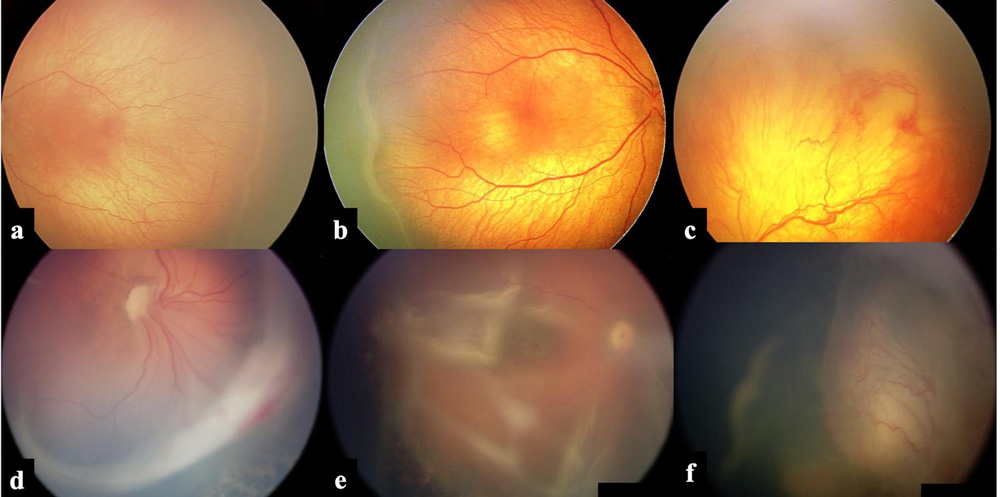
Diagnosis of Retinopathy of Prematurity
Eye Examination
ROP can be diagnosed through regular eye examinations of premature babies. The following tests can be performed during the diagnostic process:
- Ophthalmoscopy: Detailed examination of the retinal layer and evaluation of abnormal vessel development.
- Retinal Imaging: Special imaging techniques can be used to monitor the development of the retina and blood vessels.
Assessment of Risk Factors
Infants’ eye health should be closely monitored, taking into account factors that increase the risk of ROP:
- Oxygen Levels: Oxygen levels given in neonatal intensive care units should be carefully monitored.
- Baby Weight and Gestation Period: Babies with a history of low birth weight and preterm birth should be monitored with regular eye examinations.
Retinopathy of Prematurity and Long Term Outcomes
Untreated retinopathy of prematurity can cause severe vision loss and even blindness. Even in treated babies, problems such as decreased vision quality and strabismus can be seen.
Ways to Prevent Retinopathy of Prematurity
Retinopathy of prematurity cannot usually be prevented by measures taken before and during birth. However, bringing premature babies for regular eye examinations is very important for early diagnosis and treatment of the disease.

Treatment Methods of Retinopathy of Prematurity
Laser Treatment
Laser therapy is one of the most commonly used methods in the treatment of ROP:
- Laser Photocoagulation: The laser is used to cover the non-vascularized retinal tissue, preventing the disease from progressing to the blindness phase. The procedure is performed under general anesthesia and takes 45-90 minutes.
Cryotherapy
Another method used in the treatment of ROP is cryotherapy:
- Cryotherapy: The process of destroying abnormal blood vessels by freezing them. Cryotherapy can be applied as an alternative to laser treatment and usually takes 30-60 minutes.
Intraocular Injection Applications
In selected cases, intraocular anti-VEGF (vascular growth factor inhibitor) drug applications may be preferred to stop the wrong and new vascularization in the retina and to ensure that the retina vascularizes correctly on its own.
Surgical Intervention
Surgical intervention may be necessary in advanced cases of ROP:
- Vitrectomy: Vitrectomy surgery may be performed if the retinal layer is pulled or detached. This procedure is performed to remove the vitreous fluid in the eye and reattach the retinal layer.
- Surgical Duration: Vitrectomy surgery usually takes 1-2 hours and may vary depending on the patient’s condition.
Retinopathy of Prematurity Treatment Process and Prices
Treatment Process
The ROP treatment process varies depending on the method used and the stage of the disease:
- Laser and Cryotherapy: These treatment methods usually take several weeks and require regular eye checks.
- Surgical Intervention: The recovery period after surgical treatment can vary from a few weeks to several months.
Price Information
The cost of retinopathy of prematurity treatment varies depending on the treatment method, the location of the hospital and the overall health of the baby. The duration of treatment may also vary depending on the severity of the disease and the age of the patient.
How Can We Help You with Retinopathy of Prematurity?
The eye health of premature babies is very important for families and health professionals. Bringing premature babies for regular eye examinations is very important for early diagnosis and treatment of the disease. Thus, babies can be ensured to have a healthy vision in the future.
As Prof. Dr. Taylan Öztürk, we offer you the best service with our expert team in the treatment of retinopathy of prematurity.
Contact us now to make an appointment!