Cataract Treatment
Dr. Taylan Öztürk
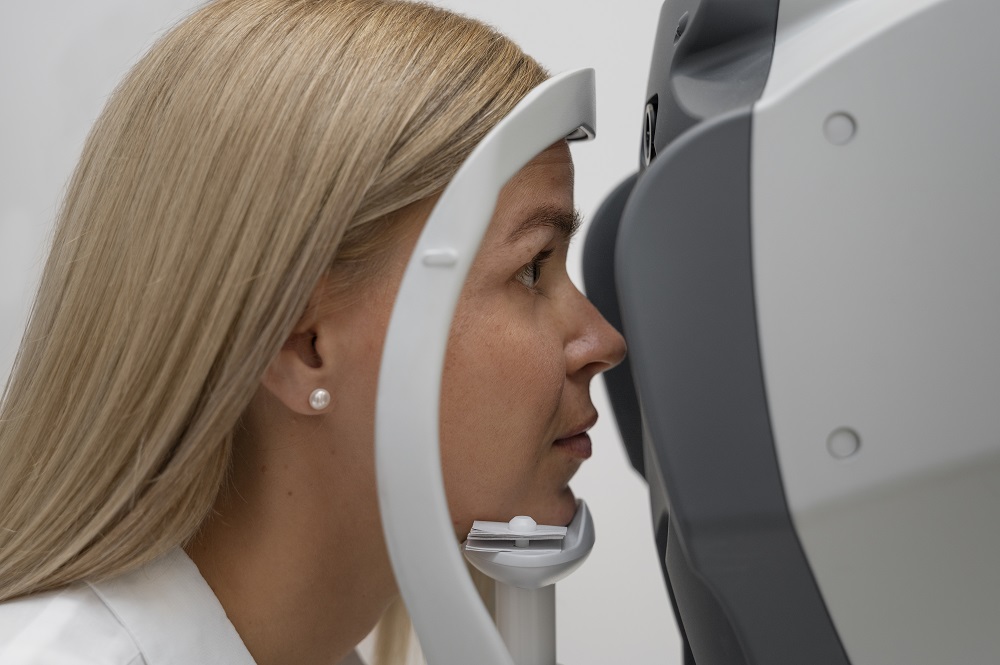
Cataract Treatment
What is Cataract?
A cataract is an eye disease that occurs when the natural lens of the eye becomes cloudy. This can lead to a serious reduction in the quality of vision and affect your daily life. It is important to know about cataract treatment in order to take the right steps and protect your vision. In this content, we will discuss in detail what cataract is, its symptoms, treatment methods and postoperative care.
Causes of Cataract
Cataracts are usually associated with aging, but congenital cataracts, eye injuries, certain medications and other health problems can also lead to cataracts. In addition, the following are other factors that cause cataracts.
- Diabetes
- Long-term use of cortisone medication
- Post-coup trauma
- Complications after previous eye surgery
- Drug use
Cataract Symptoms
How do you know if you have cataracts?
The symptoms of cataracts usually appear gradually and you will feel a gradual decrease in your vision. These symptoms may include:
- Blurred or hazy vision
- Difficulty with night vision
- Colors appear faded
- Sensitivity to light
- Double vision in your vision
Cataract Progression
As symptoms progress, vision loss becomes more pronounced and you may start to have difficulty with your daily activities. At this stage, a professional eye examination is recommended.
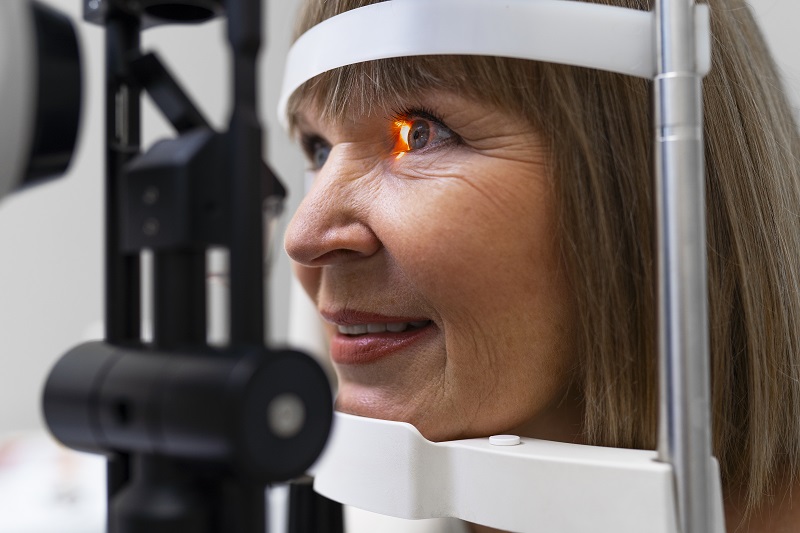
Cataract Diagnosis
How is cataract diagnosed?
Cataracts are definitively diagnosed after an eye examination by an ophthalmologist. During this examination, it is usually revealed whether the patient has different eye problems. During this diagnosis;
- Visual Acuity Measurement
- Biomicroscope Examination
- Retina Layer Review
- Eye Tomography
- Corneal Endothelial Cell Count (Specular Microscopy)
such measurements are made.
Cataract Treatment Methods
Methods Used in Cataract Treatment
The most common and effective method of cataract treatment is cataract surgery. In this surgical procedure, the clouded lens is removed and replaced with an artificial lens (intraocular lens). The surgery is usually performed under local anesthesia and takes a short time. Cataract surgery rapidly improves the quality of vision and gives successful results.
Laser Cataract Surgery
Laser cataract surgery offers a more precise and controlled procedure than traditional surgery. Using a laser, the lens is cut and removed more precisely. This method can reduce surgical risks and speed up the healing process.
Procedure:
- Laser Lens Cutting: The laser is used to cut the lens.
- Removal of the Lens: The cloudy lens is removed with a laser.
- Placement of the Artificial Lens: After the laser incision, an artificial lens is placed.
Phacoemulsification (Phaco) Surgery
Phacoemulsification involves the extraction of the cataract by liquefying it. Using ultrasound waves, the lens is broken up and removed from the eye. Because it is performed through a small incision, this method allows for a quick recovery and causes minimal trauma to the eye.
Procedure:
- Fragmentation of the Lens: Ultrasound waves are used to break the lens into pieces.
- Absorption of the Lens: The lens fragments are absorbed into a liquid state.
- Placement of the Artificial Lens: A new artificial lens is placed in place of the eye’s natural lens.
High Technology Intraocular Lens (IOL) Options
Artificial lenses used in cataract surgery can be of various types. These lenses are customized according to the patient’s needs. For example, multifocal lenses can provide both near and distance vision. Toric lenses correct astigmatism
Procedure:
- Lens Selection: The type of lens appropriate for the patient’s needs is selected.
- Lens Placement: The selected lens is placed into the eye during surgery.
Lens Selection:
- Lens options: Single-focal intraocular lenses, Single-focal intraocular lenses that also correct astigmatism (Toric), Trifocal (Smart) intraocular lenses and Trifocal toric intraocular lenses, Intraocular lenses with increased depth of focus (EDOF – Primium) and EDOF toric intraocular lenses, Telescopic intraocular lenses developed for yellow spot patients.
How is Cataract Surgery Performed?
Cataract surgery usually involves the following steps:
- Anesthesia Application: Your eye is numbed by applying local anesthesia.
- Removing the Lens: The cloudy lens is removed through a small incision.
- Inserting the Artificial Lens: An artificial lens is placed in place of the natural lens of your eye.
- Closure: The incision is closed without the need for stitches and your eye begins to heal.
Cataract Treatment Methods
Although there are no alternative methods such as medication or eye exercises other than surgery for cataract treatment, the progression of the disease can be monitored with regular eye examinations.
How Long Does Cataract Surgery Take?
Cataract surgery is not a very long operation. After this operation, which is completed in approximately 15-20 minutes, the patient can be discharged on the same day.
If the patient has cataracts in both eyes, operations are performed at intervals determined by the doctor and both eyes are intervened at certain intervals.
Post Cataract Treatment Care
Postoperative Recovery Process
As with any surgical procedure, cataract surgery can have some risks. These may include
- Risk of infection
- Bleeding
- Intraocular inflammation
- Visual disturbances
Benefits of Cataract Surgery
Cataract surgery is a treatment with a generally high success rate. After surgery, you can observe a significant improvement in the quality of your vision. Here are some of the advantages:
- Improvement of blurred vision
- Reduced night vision problems
- Clearer colors and details
New Methods and Research in Cataract Treatment
New Technologies and Methods
Technology in cataract treatment is constantly evolving. New methods and technologies offer faster healing and less risk of complications. These include laser technology and different types of artificial lenses.
Research and Developments
Research into cataract treatment is working to develop more effective treatment methods and preventive strategies. This research may make cataracts less problematic in the future.
How Much Does Cataract Surgery Cost?
The cost of cataract treatment varies depending on the treatment method and the type of lens used. For example, laser-assisted or non-laser-assisted techniques are important factors affecting treatment prices. In addition, special types of lenses, such as multifocal smart lenses or toric lenses that correct astigmatism, are also among the parameters that determine the cost. Therefore, it is important to have a detailed discussion with your doctor to find out your treatment costs.
For cataract surgery prices, you can click on the link below and fill out the form. Our customer representatives will get back to you as soon as possible for detailed information.
How Can We Help You with Cataract Treatment?
If you are experiencing cataract symptoms or notice a decrease in the quality of your vision, contact our team of experts. We offer professional consultation to determine the most appropriate treatment for you and to protect your eye health. Contact us today to learn more about cataract treatment and to schedule an appointment!
We Care About Your Eye Health! Contact us now to get detailed information about cataract treatment and find the most suitable solution for you. We are here to offer you the best service!